
Medical-Grade Skincare Products at Willow Skin Therapy
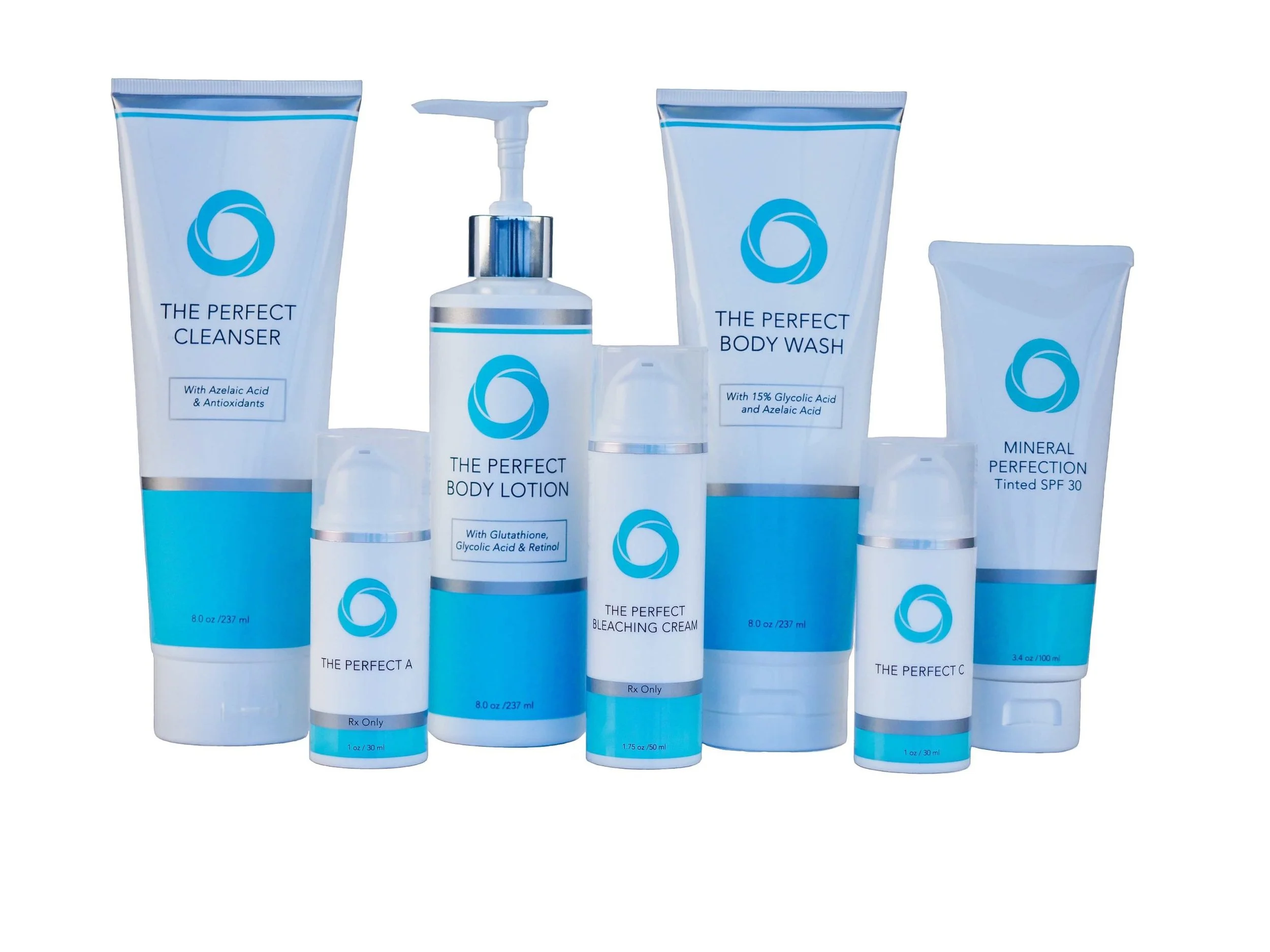
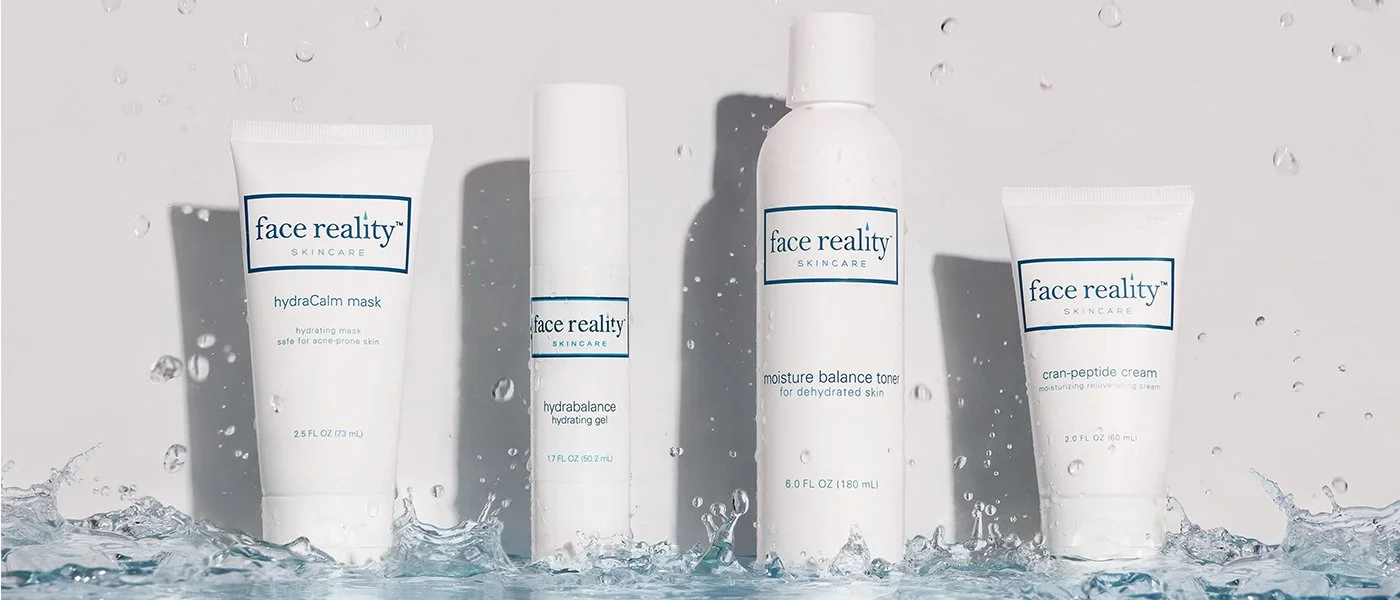
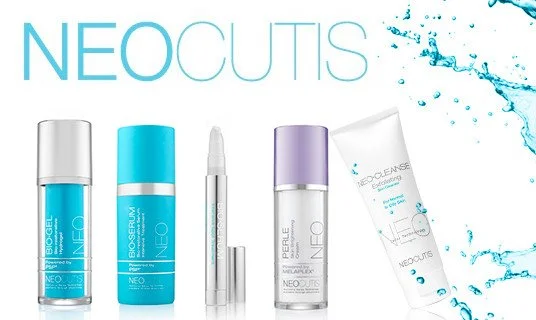
We offer: NeoCutis, Beautiphi Skin, Perfect Derma & Skin Reality
If you’ve already invested in products, you can refer back here to understand the process and have reminders. If you don’t know where to start, read through the info below that describes a basic skincare regimen. If we haven’t designed a regimen for you and now you’re ready, click the button below to book your skincare consultation!
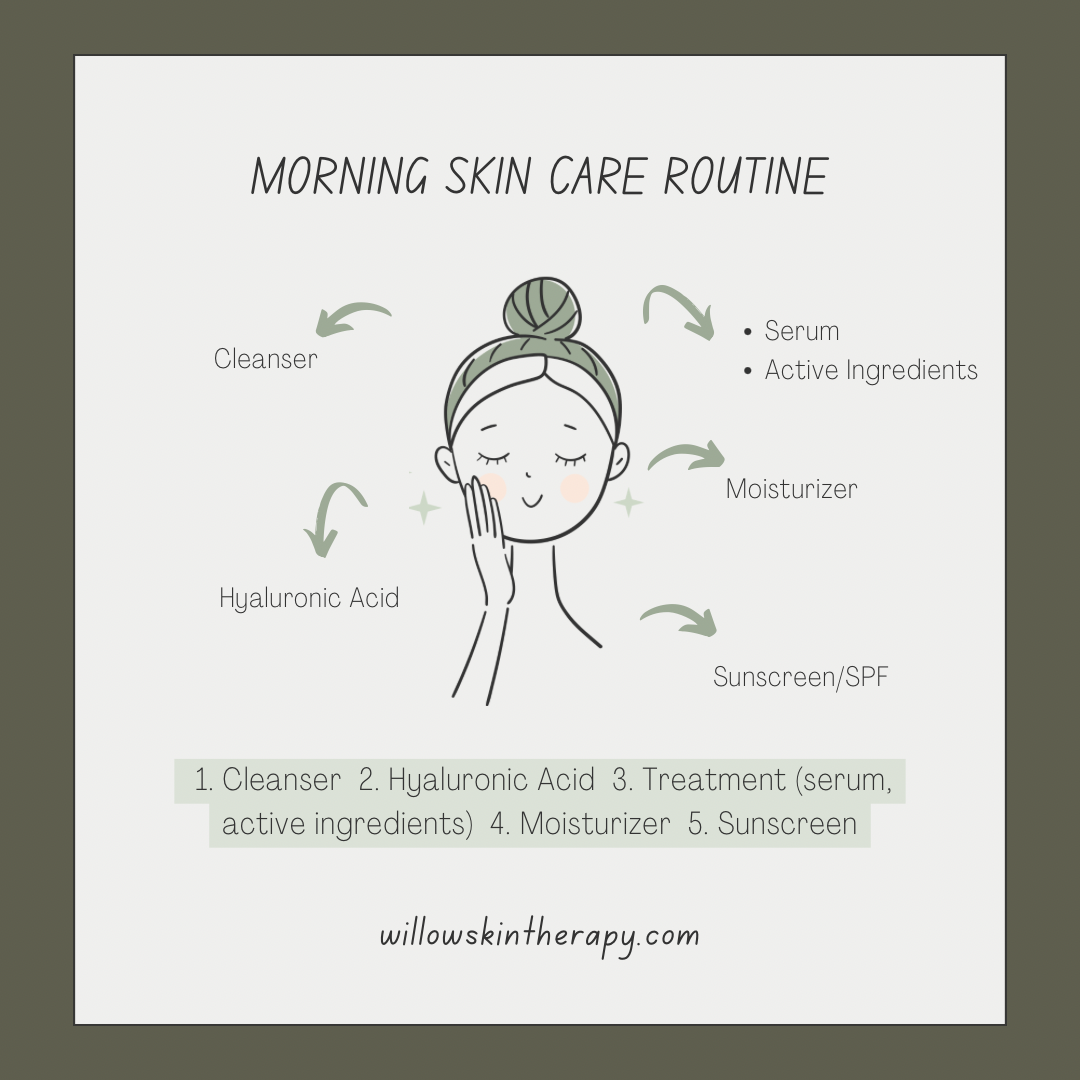
Let’s start with the basics…
Every skincare regimen should consist of 5 components.
Cleansing
Toning/Hyaluronic Acid
Serums (Active Ingredients)
Moisturizing
Sunscreen/SPF
We’ll go through each of these steps individually to explain the intent in a bit more detail, but these are the steps of a basic skincare regimen.
Does 5 steps seem like a lot? We understand it may feel overwhelming, but we’re here to help you through the process! Before you know it completing your morning and evening skincare regimen will be as second nature as brushing your teeth!
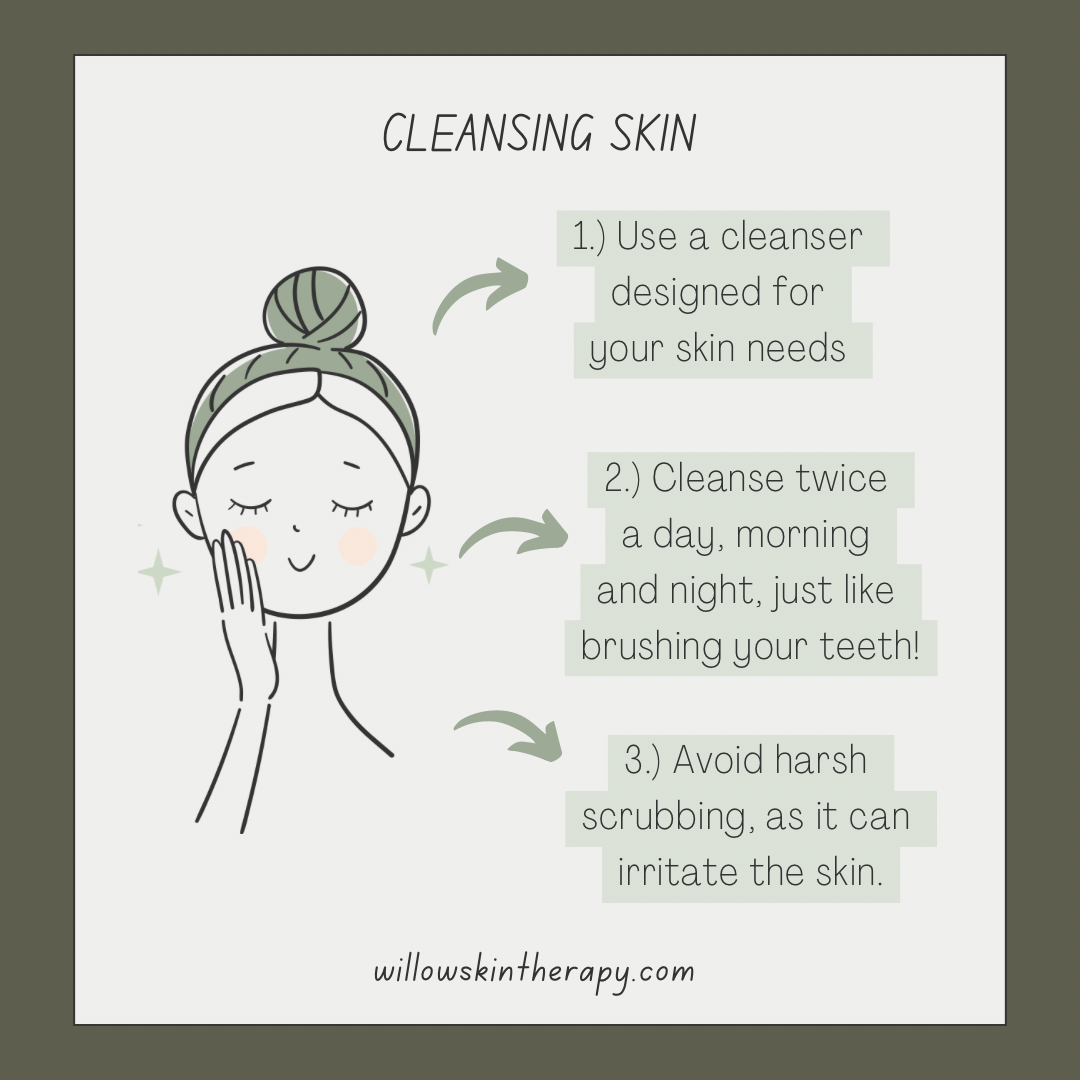
Why Cleanse the Skin?
Cleansing the skin is an essential step in a skincare routine, and it serves several purposes:
1.) Removal of Impurities:
Throughout the day, the skin accumulates dirt, oil, sweat, pollutants, and makeup. Cleansing helps to remove these impurities from the skin’s surface, preventing pore blockages and potential breakouts.
2.) Oil Control:
Cleansing helps to regulate oil production on the skin. Overproduction of sebum can lead to oily skin, which may contribute to acne and other skin issues.
3.) Prevention of Acne and Breakouts:
Regular cleansing can help prevent the buildup of bacteria and reduce the risk of acne and other skin breakouts. It also helps to keep pores clear and minimize the chances of infection.
4.) Exfoliation:
Some cleansers contain exfoliating ingredients that help to slough off dead skin cells. This promotes cell turnover, leaving the skin looking fresh and radiant.
5.) Enhancement of Absorption:
Cleansing prepares the skin to better absorb subsequent skincare products, such as serums and moisturizers. A clean canvas allows active ingredients to penetrate the skin more effectively.
6.) Skin Hydration:
Certain cleansers are formulated to hydrate the skin, preventing it from becoming overly dry or stripped of natural oils.
7.) Promotion of Skin Health:
Keeping the skin clean is crucial for overall skin health. It helps to maintain the skin’s natural barrier function, protecting it from environmental stressors and supporting its ability to retain moisture.
8.) Prevention of Aging Signs:
Regular cleansing can contribute to the prevention of premature aging signs, such as fine lines and wrinkles, by maintaining the skin’s health and promoting optimal cell turnover.
It’s important to note that while cleansing is essential, using a gentle cleanser appropriate for your skin type is crucial. Harsh cleansers or over-cleansing can strip the skin of its natural oils, leading to dryness and irritation. Establishing a proper skincare routine that includes cleansing, moisturizing, and sun protection can contribute to maintaining healthy and radiant skin.
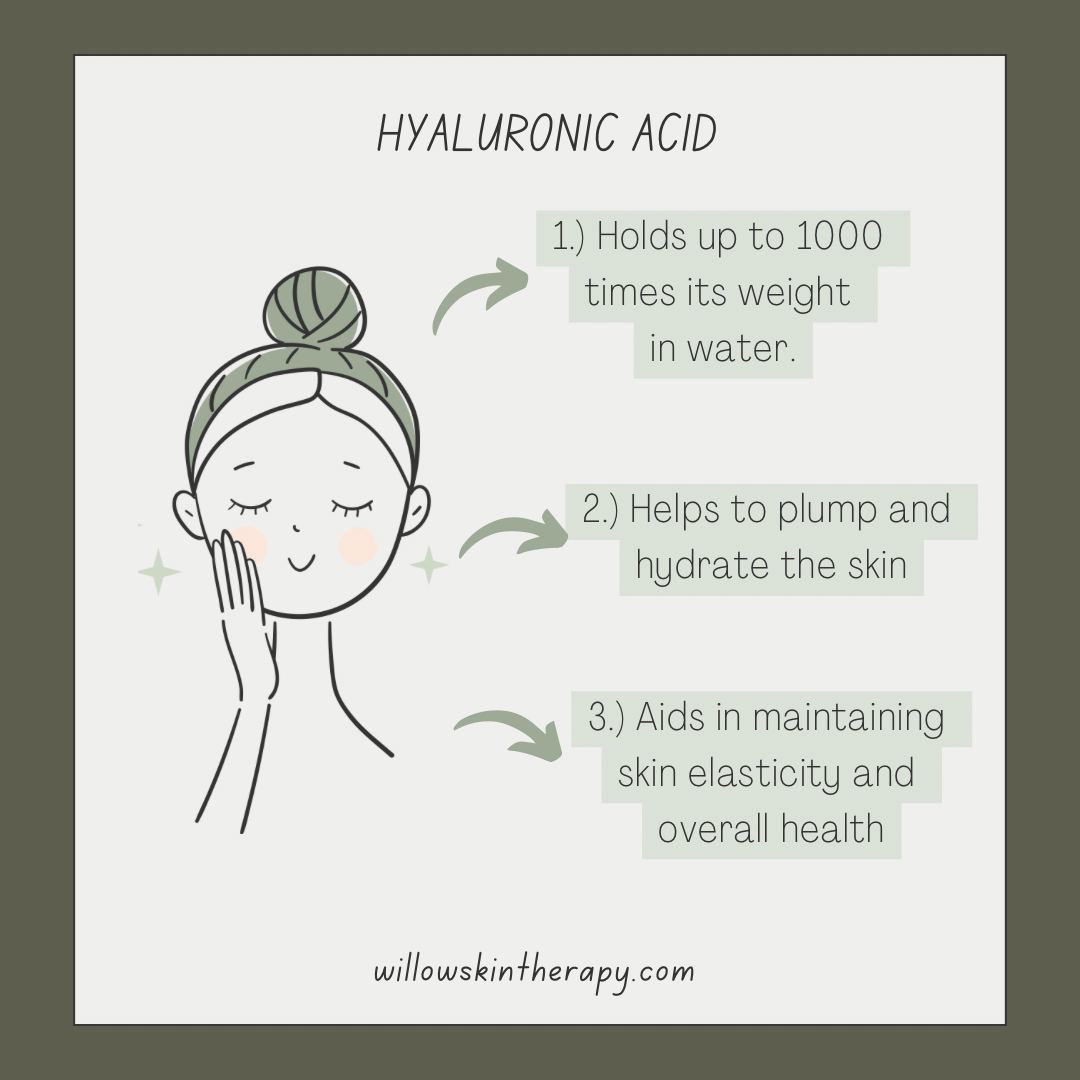
Why Hyaluronic Acid is Important...
IMPORTANT: After cleansing/rinse your skin but DO NOT DRY!!! Hyaluronic acid is a humectant (holds the moisture in your skin). If you apply your HA to damp skin you will get more benefit!
Hyaluronic acid (HA) is a naturally occurring substance in the skin that plays a crucial role in maintaining hydration. It is a type of glycosaminoglycan, a molecule that can hold a large amount of water, making it an excellent hydrating agent. When used in skincare, hyaluronic acid provides several benefits for the skin:
1.) Hydration:
One of the main functions of hyaluronic acid is its ability to retain water. It can hold up to 1000 times its weight in water, helping to keep the skin well-hydrated. This hydration is essential for maintaining skin suppleness and plumpness.
2.) Moisture Retention:
Hyaluronic acid helps to attract and retain moisture in the skin, preventing dehydration. This is particularly beneficial for individuals with dry or dehydrated skin.
3.) Plumping Effect:
Due to its water-attracting properties, hyaluronic acid has a plumping effect on the skin. This can help reduce the appearance of fine lines and wrinkles, giving the skin a smoother and more youthful look.
4.) Supports Collagen Production:
Hyaluronic acid is involved in collagen synthesis, a protein essential for maintaining the skin’s structural integrity. By supporting collagen production, it contributes to the overall health and firmness of the skin.
It’s important to note that the effectiveness of hyaluronic acid can vary depending on its molecular weight and the formulation of the product. High molecular weight hyaluronic acid tends to provide hydration to the outer layers of the skin, while low molecular weight hyaluronic acid may penetrate deeper, offering more intensive hydration. As with any skincare ingredient, individual responses can vary, so it’s advisable to patch-test products and incorporate them into your routine gradually.
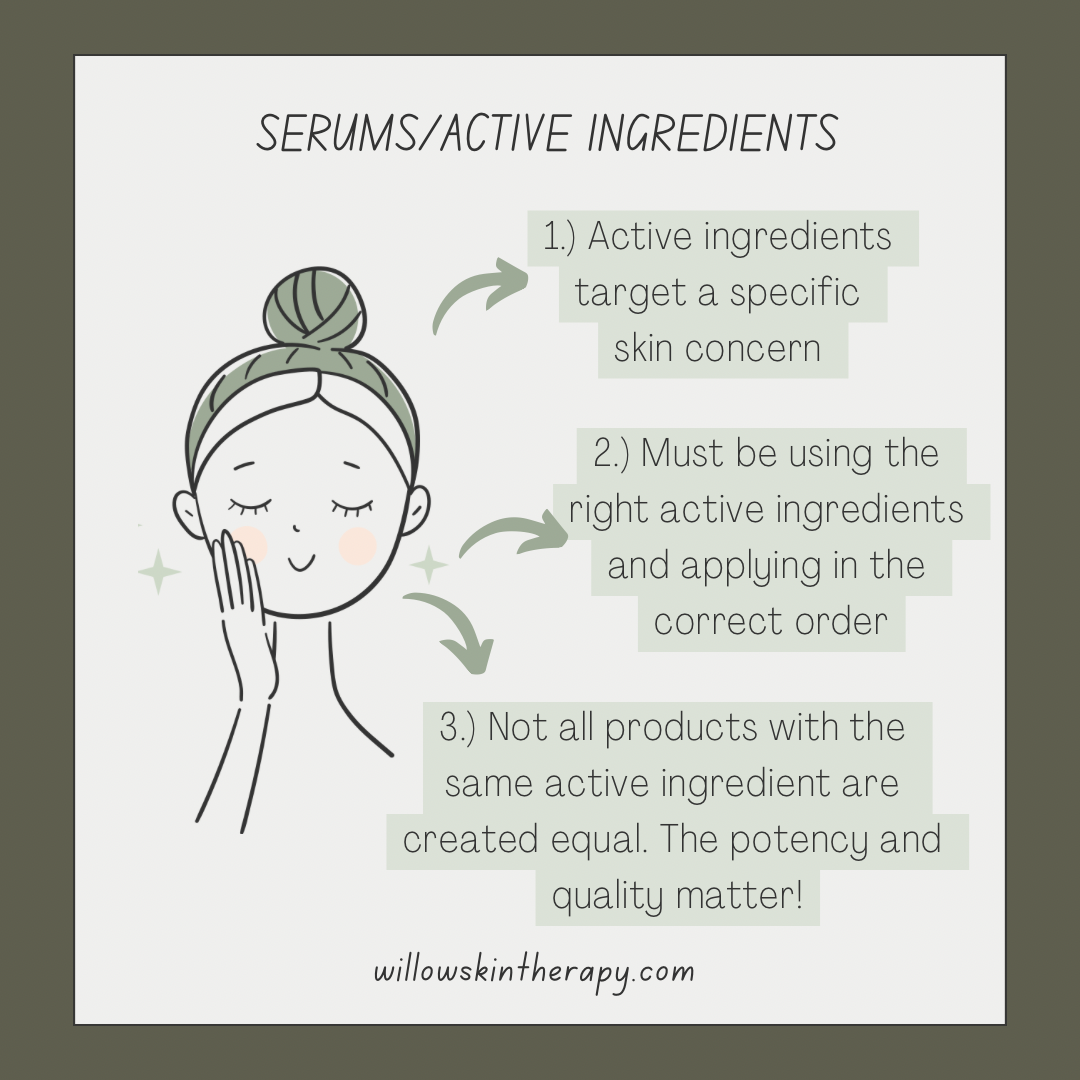
Active Ingredients Accomplish the Changes!!!
Active ingredients in skincare refer to the compounds or substances that have specific properties and effects on the skin. These ingredients are included in skincare formulations to target particular skin concerns and provide specific benefits. The effectiveness of a skincare product often relies on the active ingredients it contains. Here are some common types of active ingredients and their functions
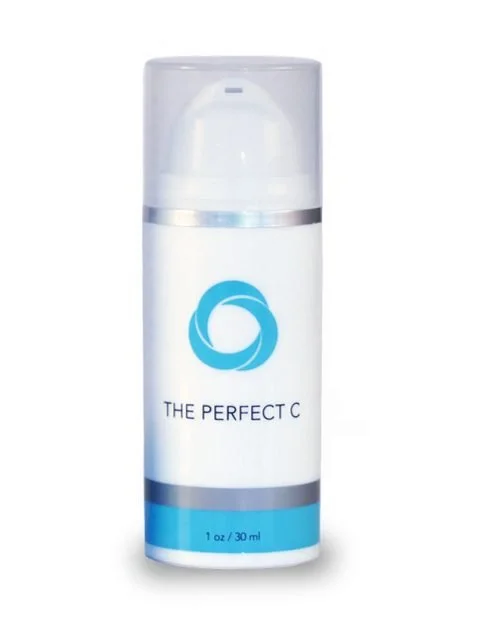
Antioxidants
Antioxidants, such as Vitamin C, help protect the skin from free radical damage caused by environmental factors such as UV rays and pollution. They neutralize free radicals, preventing oxidative stress and premature aging.
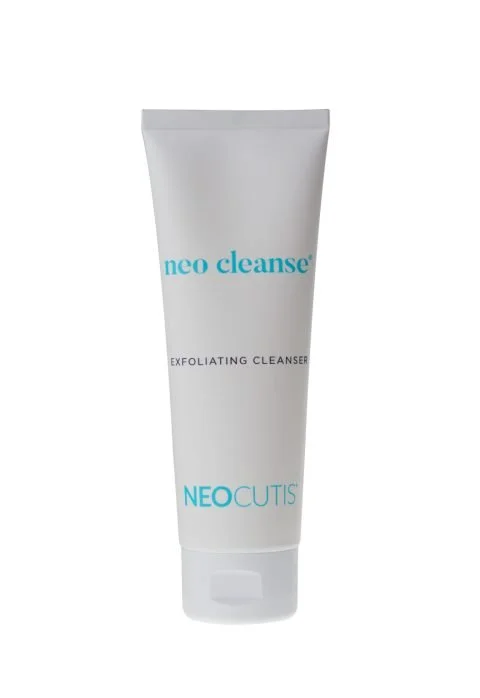
Alpha Hydroxy Acids (AHAs)
AHAs, such as glycolic and lactic acid, exfoliate the skin’s surface by dissolving dead skin cells. They help improve skin texture, reduce hyperpigmentation, and promote a brighter complexion.s.
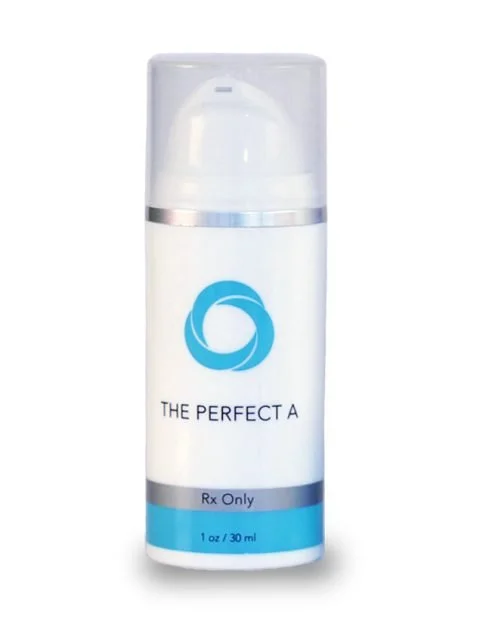
Vitamin A Derivatives
Retinoids are derivatives of Vitamin A and are known for their anti-aging properties. They promote cell turnover, stimulate collagen production, and help reduce the appearance of wrinkles, fine lines, and hyperpigmentation.
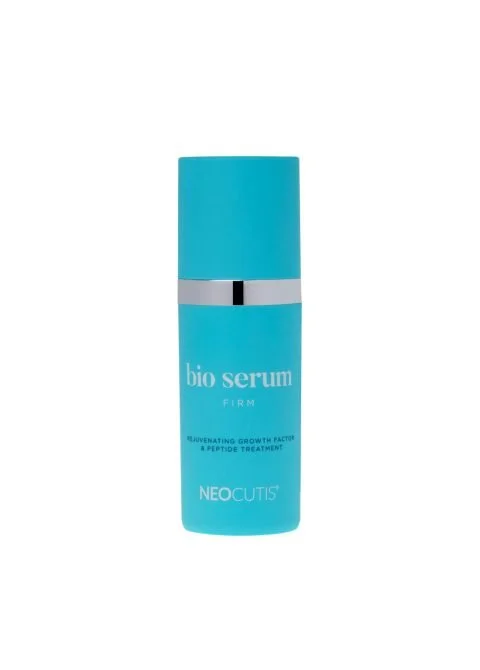
Peptides and Growth Factors
Growth factors are proteins and Peptides are amino acid chains. Both support collagen and elastin production. They help improve skin firmness, reduce the appearance of wrinkles, and promote overall skin health.
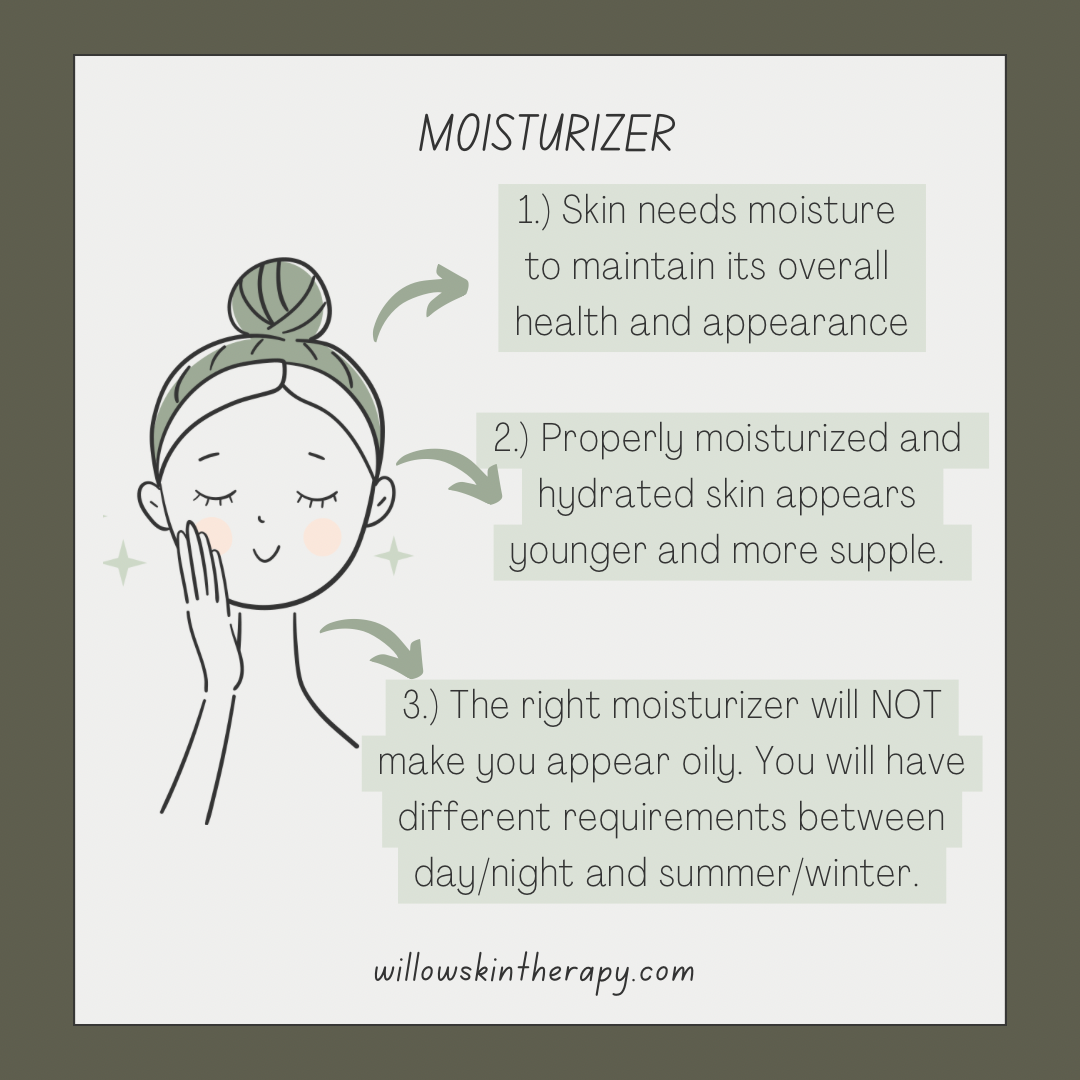
Why Moisturize My Skin?
Moisturizing the skin is an essential step in a skincare routine, and it provides numerous benefits for overall skin health. Here are some key reasons why moisturizing is important:
1.) Hydration:
Moisturizers help to hydrate the skin by attracting and retaining water. Proper hydration is crucial for maintaining the skin’s elasticity, suppleness, and overall comfort.
2.) Prevention of Dryness:
Dry skin can lead to various issues, including flakiness, redness, and itchiness. Moisturizing helps prevent and alleviate dryness, providing relief and promoting a smoother skin texture.
3.) Barrier Function Support:
The outermost layer of the skin, known as the stratum corneum, acts as a barrier that protects the skin from external factors such as pollutants, allergens, and pathogens. Moisturizers help strengthen this barrier, reducing the risk of irritants penetrating the skin.
4.) Prevention of Premature Aging:
Well-hydrated skin is less prone to the development of fine lines and wrinkles. Moisturizing regularly can contribute to maintaining a youthful appearance and minimizing the signs of premature aging.
5.) Support for Various Skin Types:
Whether you have oily, combination, dry, or sensitive skin, there are moisturizers designed for every skin type. Using an appropriate moisturizer can help balance the skin and address specific concerns without causing excessive oiliness or dryness.
Choosing a moisturizer that suits your skin type and addresses your specific concerns is important. For example, individuals with oily skin may benefit from oil-free or gel-based moisturizers, while those with dry skin may prefer richer formulations. Consistent moisturizing, combined with a well-rounded skincare routine, contributes to maintaining healthy, vibrant, and well-hydrated skin.
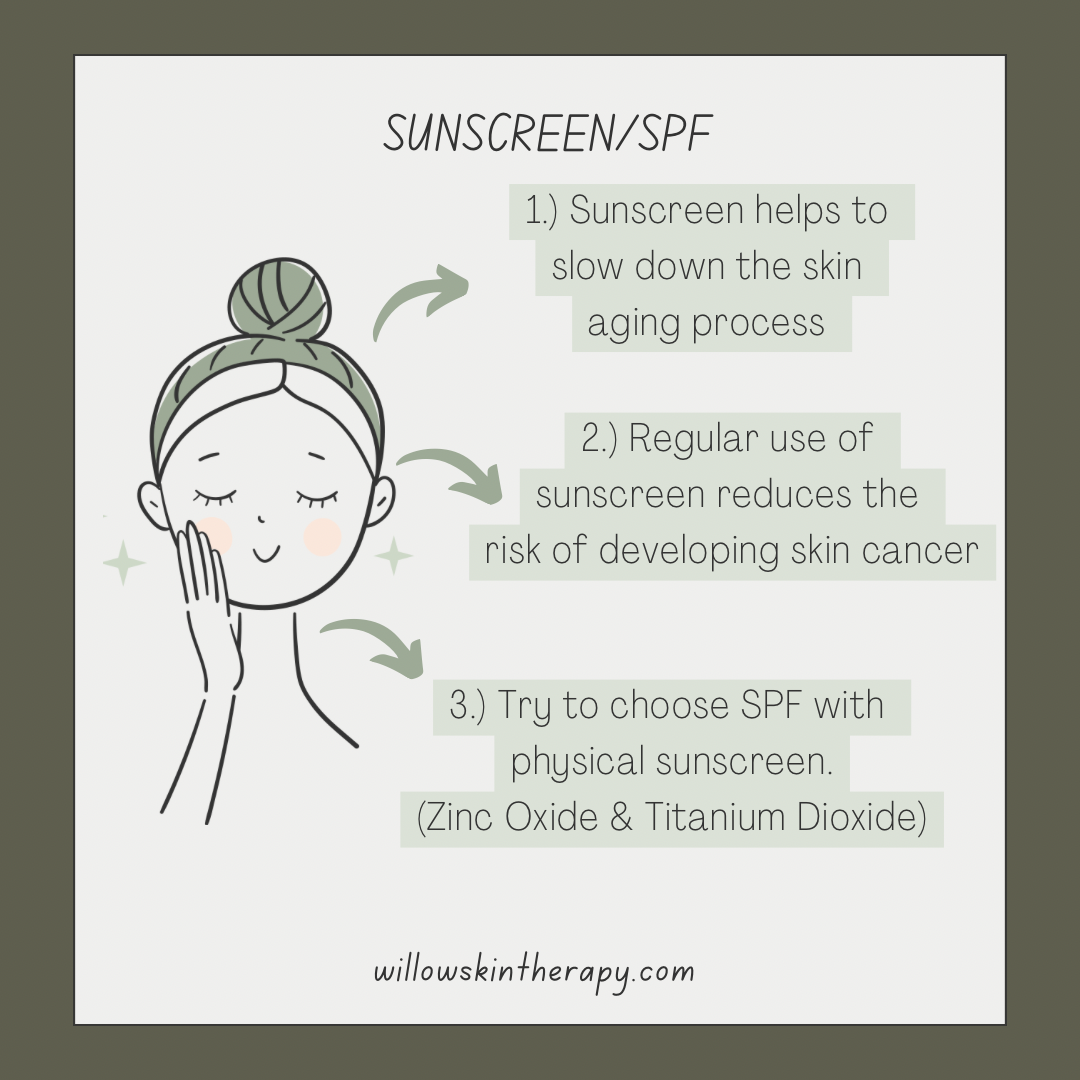
Do I Really Need SPF?
Sunscreen or sun protection factor (SPF) is crucial for several reasons, and using it regularly helps protect the skin from the harmful effects of ultraviolet (UV) radiation. Here are key reasons why SPF is essential:
1.) Protection Against UV Radiation:
Sunscreen provides a protective barrier against the damaging effects of UV radiation from the sun. UV radiation is known to cause various skin issues, including sunburn, premature aging, and an increased risk of skin cancer.
2.) Reduction of Premature Aging Signs:
UV radiation accelerates the aging process of the skin, leading to the development of fine lines, wrinkles, and age spots. Regular use of SPF helps minimize these signs and keeps the skin looking more youthful.
3.) Minimization of Hyperpigmentation:
Sun exposure can lead to an increase in pigmentation, causing dark spots and uneven skin tone. SPF helps prevent and reduce hyperpigmentation, promoting a more even complexion.
4.) Preservation of Collagen and Elasticity:
UV radiation breaks down collagen and elastin fibers in the skin, leading to loss of firmness and elasticity. SPF helps protect these structural proteins, maintaining the skin’s integrity.
5.) Protection on Cloudy Days:
UV radiation can penetrate clouds, meaning sun protection is necessary even on overcast days. Using SPF daily, regardless of the weather, ensures consistent protection.
When selecting a sunscreen, it’s important to choose one that is considered a MINERAL SUNSCREEN.
Mineral sunscreen, also known as physical or inorganic sunscreen, is a type of sun protection that uses mineral compounds as active ingredients to block or scatter ultraviolet (UV) rays from the sun. The two main minerals used in mineral sunscreens are zinc oxide and titanium dioxide.
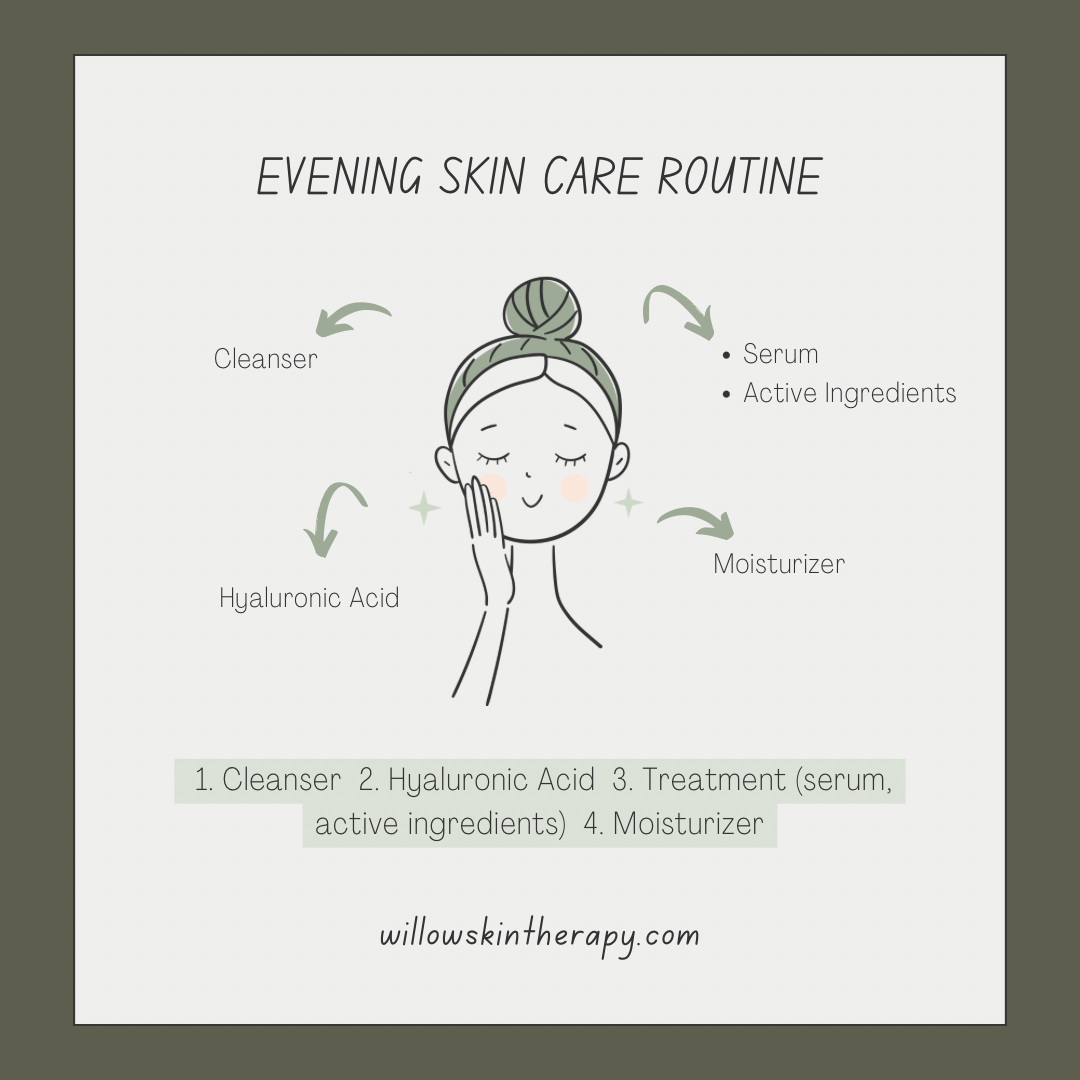
What About Skincare at Bedtime?
A skincare regimen in the evening typically differs from the morning routine because it addresses the skin’s needs during the nighttime, focusing on repair and rejuvenation.
In general an evening routine is very similar to a morning routine with 3 differences:
1.) Active Ingredients
In designing your custom skincare regimen we will select specific active ingredients to address your skincare concerns. Often certain ingredients are better used during a spefic time of day, or certain active ingredients don’t “agree” with eachother and we will often separate them by using one in the morning and one in the evening. Some active ingredients make skin sensitive to UV light and thus should be used in the evening when UV exposure is decreased.
2.) Moisturizer
Dependent on your skin type and level of dryness we may select a different moisturizer for during the day and to be used under makeup and a more moisturizing product for use at night time.
3.) SPF/Sunscreen
Obviously due to decreased exposure to UV rays, SPF is not needed in a night time routine.
Remember, the specific products and steps in your evening skincare routine will depend on your skin type, concerns, and the products you’ve chosen. It’s essential to be consistent with your routine and introduce new products gradually to avoid irritation.
